
Hyperimmune IgY – A Potential Solution to Antibiotic Resistance
Antibiotic resistance is one of the most significant public health threats of our time. With increasing numbers of bacterial strains evolving resistance…
Read article
Explore IgY ingredient programs and develop finished supplements through a focused OEM process.
IgY is an antibody found in egg yolk. Define the intended use, ingredient profile and format before development begins.
Start an ingredient brief
Set the application family, target market and formulation needs.
Start an ingredient briefReview the IgY family, target strategy and powder-format requirements.
Explore ingredient programsSet binding and quality criteria relevant to the intended use.
Review quality & documentationAssess material properties, formulation fit and next-stage validation.
Explore OEM formats View application casesMap the end user, route to market and product requirements before choosing an ingredient program or finished-product format.
Identify the wellness category, intended user and questions a product should answer.
Compare ingredient direction, dosage format and supporting technical evidence.
Review channel, claims, labeling and documentation for the intended destination.
These figures describe supplement users and adjacent categories. They are inputs to a product brief, not an estimate of IgY sales or efficacy.
Two survey snapshots; the difference is not a forecast or a measured IgY trend.
Explore gut & microbiome ingredientsA consumer motivation, not product performance or the share buying an IgY ingredient.
Explore immune wellness ingredientsU.S. survey responses about probiotics offer an adjacent-category signal for natural and non-prescription wellness concepts. They do not measure demand for IgY or show that a supplement treats a gut disorder.
of surveyed U.S. supplement users reported taking a probiotic. This uses a different denominator from the reasons at left.
Explore gut & microbiome directionsA Rome Foundation study surveyed 73,076 adults across 33 countries. Rome IV criteria for at least one functional gastrointestinal disorder (now termed a disorder of gut–brain interaction) were met by 40.3% of internet-survey respondents and 20.7% of household-survey respondents. The methods and estimates differ and are reported separately.
This clinical burden describes a healthcare need, not a population eligible for supplements or an IgY market. Diagnosis and treatment require appropriate clinical care; any ingredient-specific benefit needs its own evidence.
Source: Rome Foundation Global Epidemiology Study, Sperber et al., Gastroenterology 2021.
Open a family to compare its evidence signal with a B2B development brief. Population burden, consumer interest and an IgY product’s potential are different measures; these families are not ranked by market size.
Evidence signalH. pylori infection is a common cause of gastritis. Separately, the probiotic survey above shows interest in GI support; it does not measure stomach-specific or IgY demand.
B2B development routeExplore an adult stomach-wellness ingredient brief, format and target-specific evidence requirements.
Claim boundaryDiagnosed H. pylori infection and gastritis require clinical evaluation and treatment; this is not an eradication or gastritis claim.
Evidence signalThe Rome Foundation documents substantial gut–brain interaction disorder burden; the probiotic survey above identifies GI support as a consumer motivation.
B2B development routeCompare gut-wellness powder, capsule and microbiome-oriented briefs with ingredient-specific studies and clear audience definitions.
Claim boundaryClinical disorder prevalence is not the addressable supplement market; no treatment or microbiome-modulation result is implied.
Explore Gut & microbiome ingredientsEvidence signalWHO describes a large global burden of oral disease and a need for prevention and routine oral care.
B2B development routeAssess daily oral-care formats and an oral-health audience with dental partners, suitable use instructions and substantiated claims.
Claim boundaryOral-care concepts do not imply prevention or treatment of cavities, gum disease or oral infection.
Evidence signalWHO reports widespread overweight and obesity; this burden can inform audience research, but does not quantify demand for an IgY ingredient.
B2B development routeScope nutrition and lifestyle-support positioning, delivery format and measurable research questions for metabolic wellness.
Claim boundaryDo not infer weight loss, glucose control or obesity treatment from the population figures.
Evidence signalWHO recognizes steatotic liver disease as a growing noncommunicable-disease burden. A gut–liver formulation remains a separate research hypothesis.
B2B development routeDiscuss target definition, preclinical rationale and evidence milestones before considering a supplement concept.
Claim boundaryLiver-disease burden does not establish IgY benefit or justify a fatty-liver treatment claim.
Evidence signalCRN reported skin, hair and nail health as a reason for supplement use in its 2020 U.S. survey; the 2024 survey also described greater interest among women.
B2B development routeExplore an ingestible-beauty audience, format and evidence plan for a BeautyGlow-style formulation concept.
Claim boundaryThe survey describes consumer motivation; it does not show an IgY skin, hair or nail outcome.
Explore Beauty wellness ingredientsEvidence signalWHO describes bacterial vaginosis prevalence across studied populations of reproductive-age women; NIH has funded vaginal-microbiome research.
B2B development routeDefine life stage, intended use and site-specific evidence for an exploratory intimate-wellness brief.
Claim boundaryA wellness ingredient is not a treatment or prevention claim for BV or another infection.
Explore Female Health ingredientsEvidence signalIn CRN’s 2024 U.S. survey, 30% of supplement users cited immune health as a reason for supplement use.
B2B development routeSegment adult, senior and child-oriented briefs by format, age suitability and evidence for the finished formula.
Claim boundaryConsumer motivation is not evidence that IgY prevents infection or improves immune outcomes.
These sourced signals guide market discovery and research prioritization. They are not sales forecasts or evidence of IgY efficacy. Product-specific specifications, intended market and claims require review for each project.
Hyperimmune IgY is a passive antibody approach that can be developed against defined targets. Gut microbial balance is an application question for each ingredient and formula; consumer surveys and resistance statistics do not establish an IgY product benefit.
Share of U.S. adults age 20+ reporting use of any dietary supplement in the past 30 days.
In the August 2021–August 2023 survey, reported supplement use was 46.3% for ages 20–39, 60.3% for ages 40–59 and 75.9% for ages 60+.
These figures can inform audience planning. They do not measure demand for IgY.
Open a buyer profile to see the typical starting brief.
Develop a wellness concept around a defined audience, format and positioning.
Explore application casesDiscuss ingredient suitability, formulation options and production requirements.
Build an OEM briefReview ingredient families, technical materials, target markets and commercial terms.
Browse IgY ingredientsEight directions for a focused ingredient brief. Specific targets and availability are reviewed with your team.

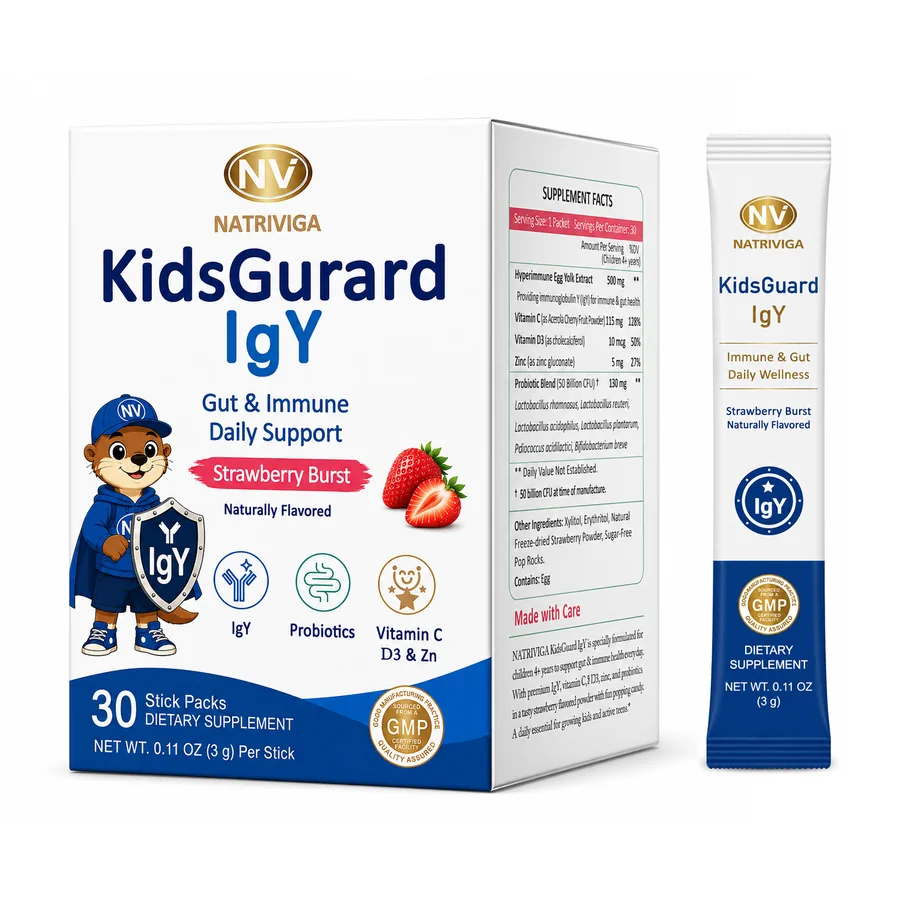
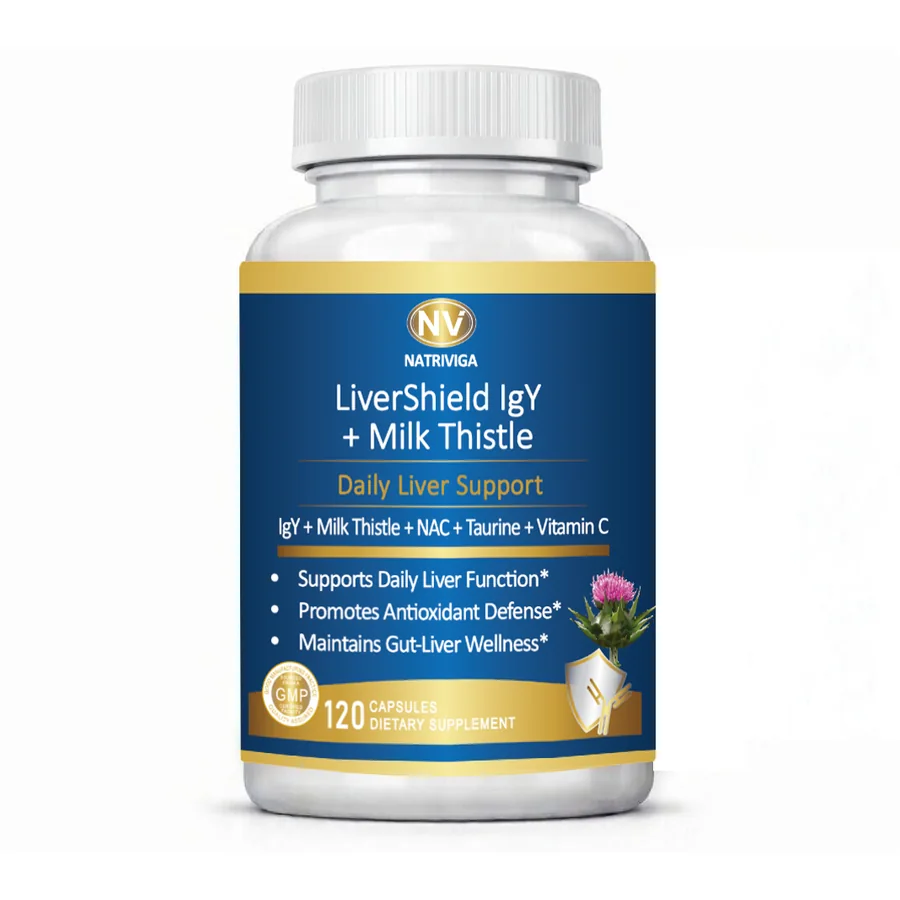
Examples of how IgY can be explored in finished supplement formats. Select an area to view relevant concepts, then open the related ingredient family.
Browse application examples by category.
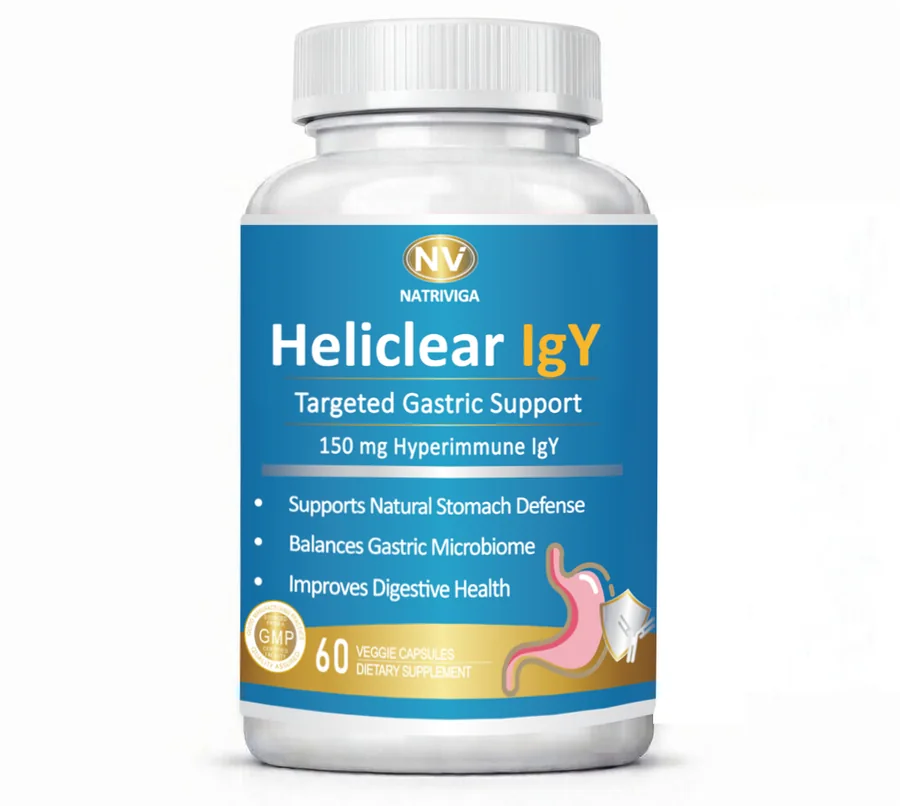
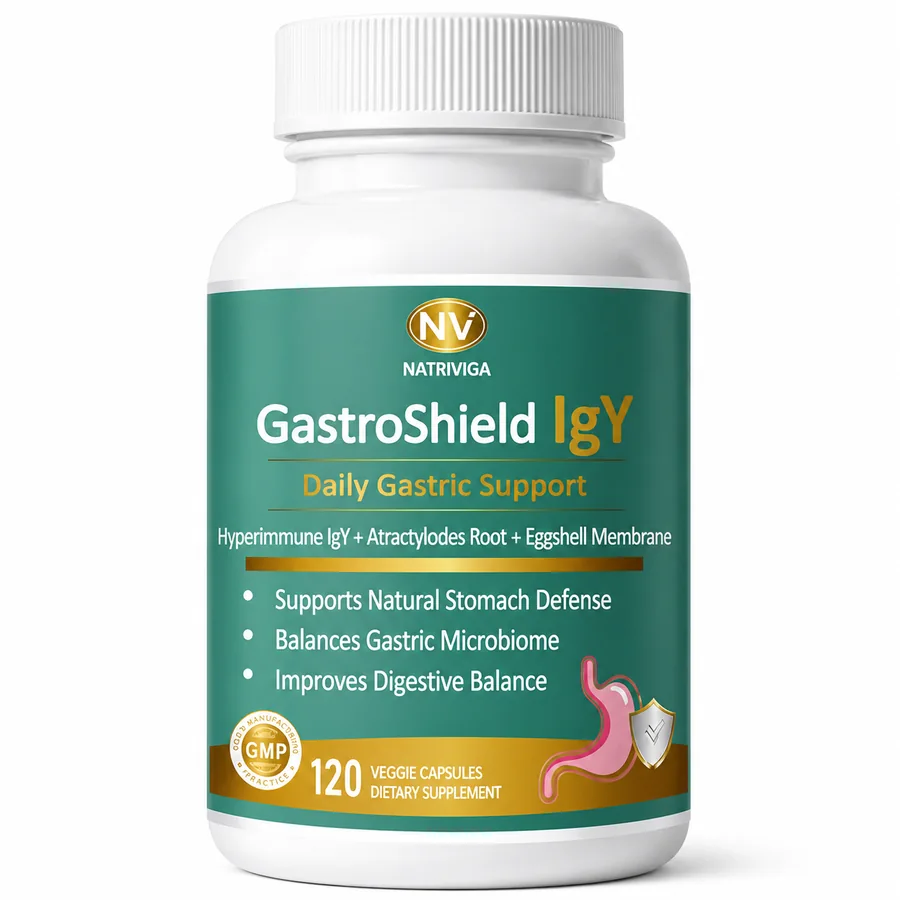
Daily stomach wellness concept
Explore related ingredient family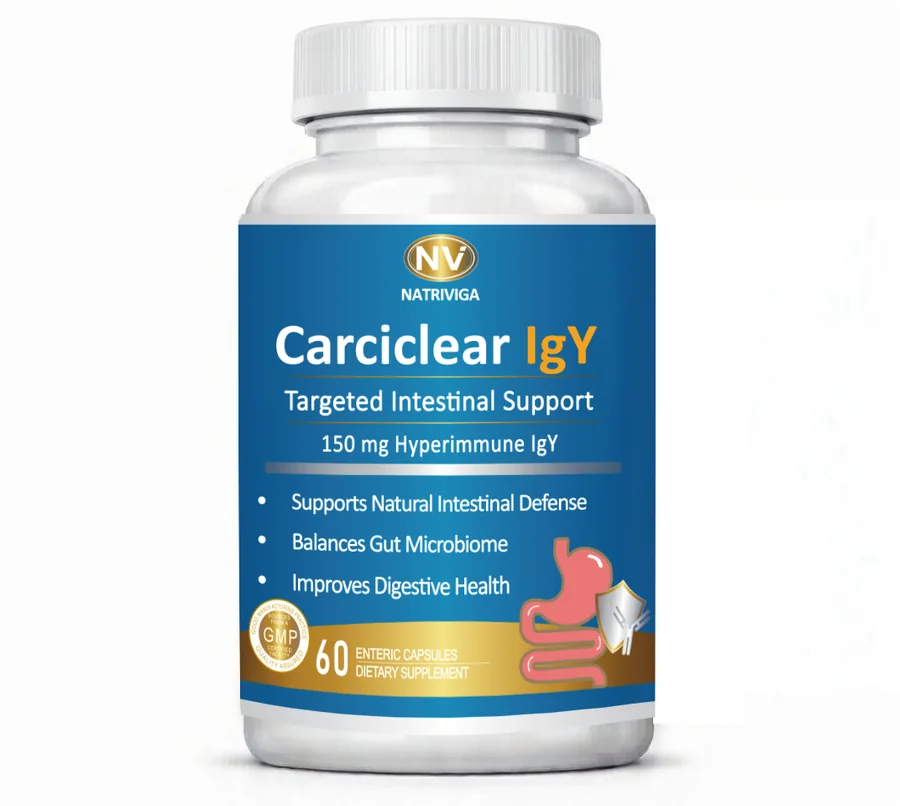
Gut microbiome formulation concept
Explore related ingredient family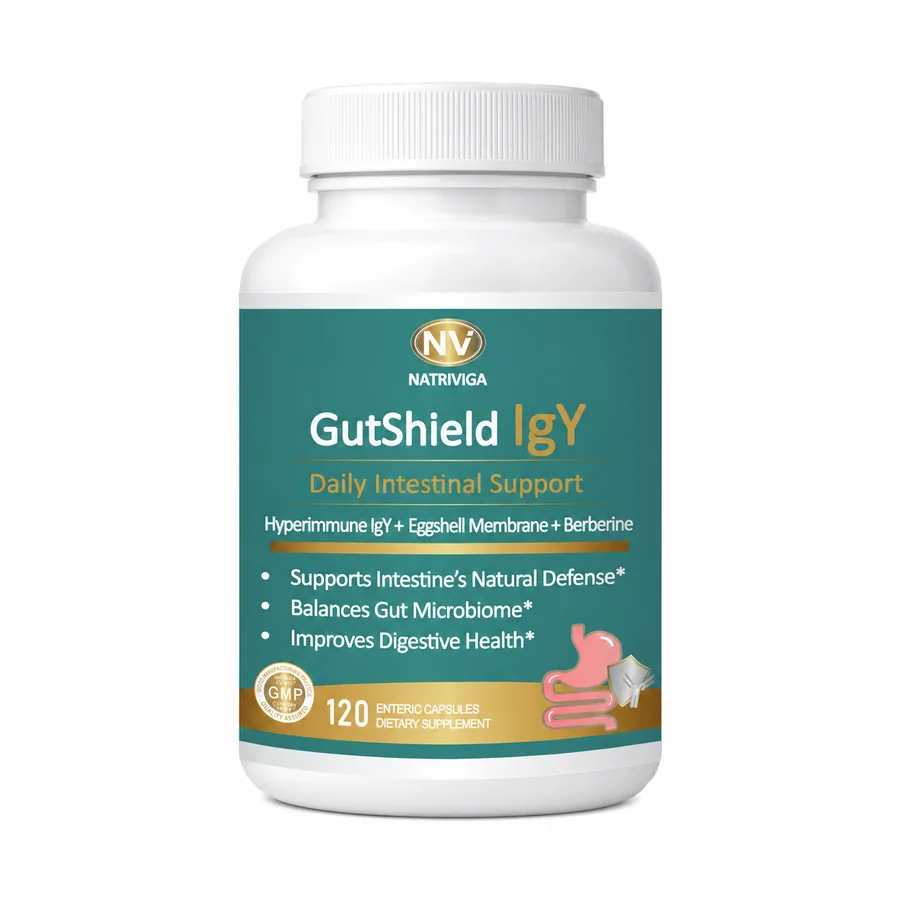
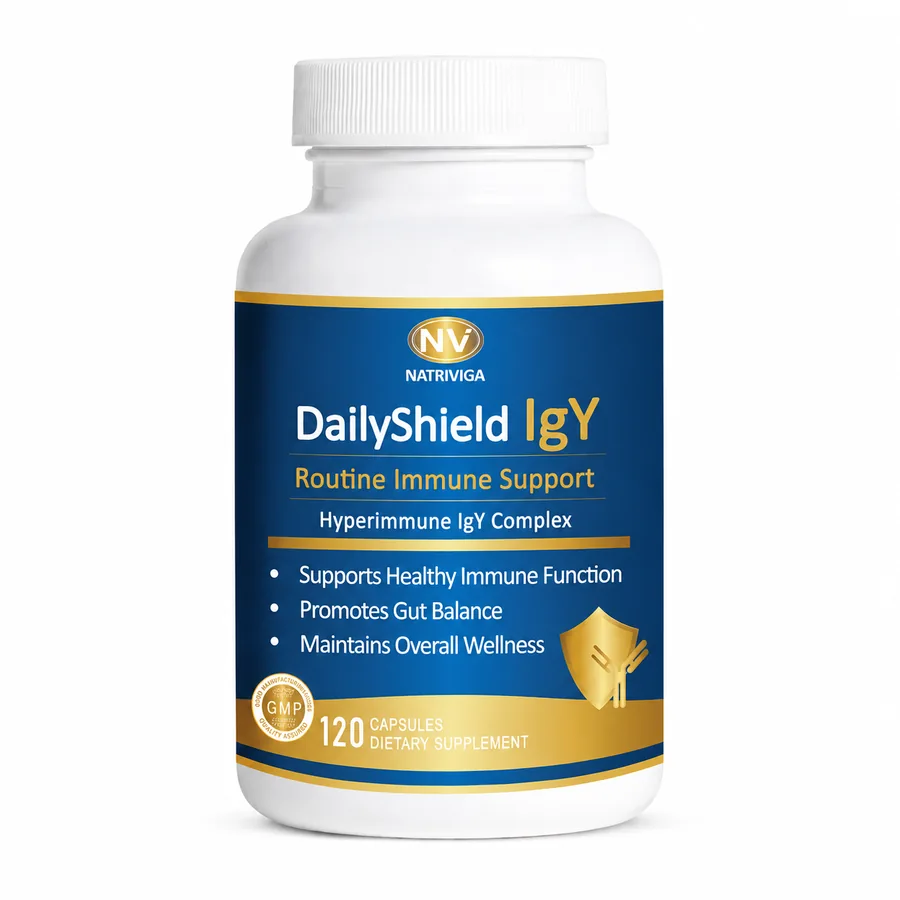
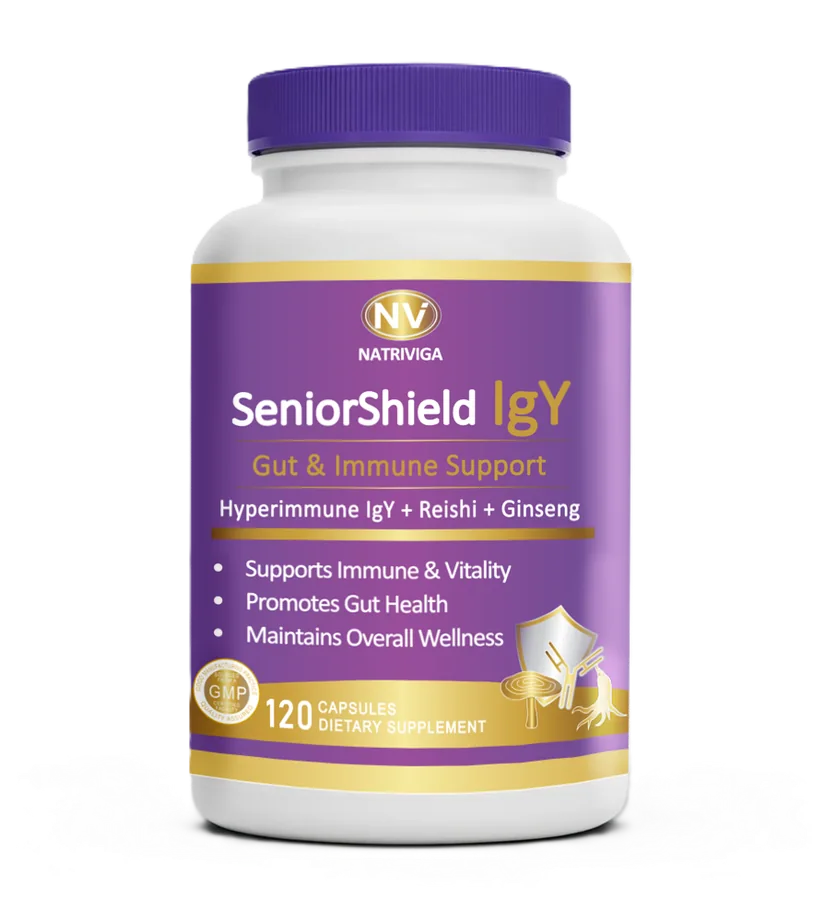
Healthy aging wellness concept
Explore related ingredient family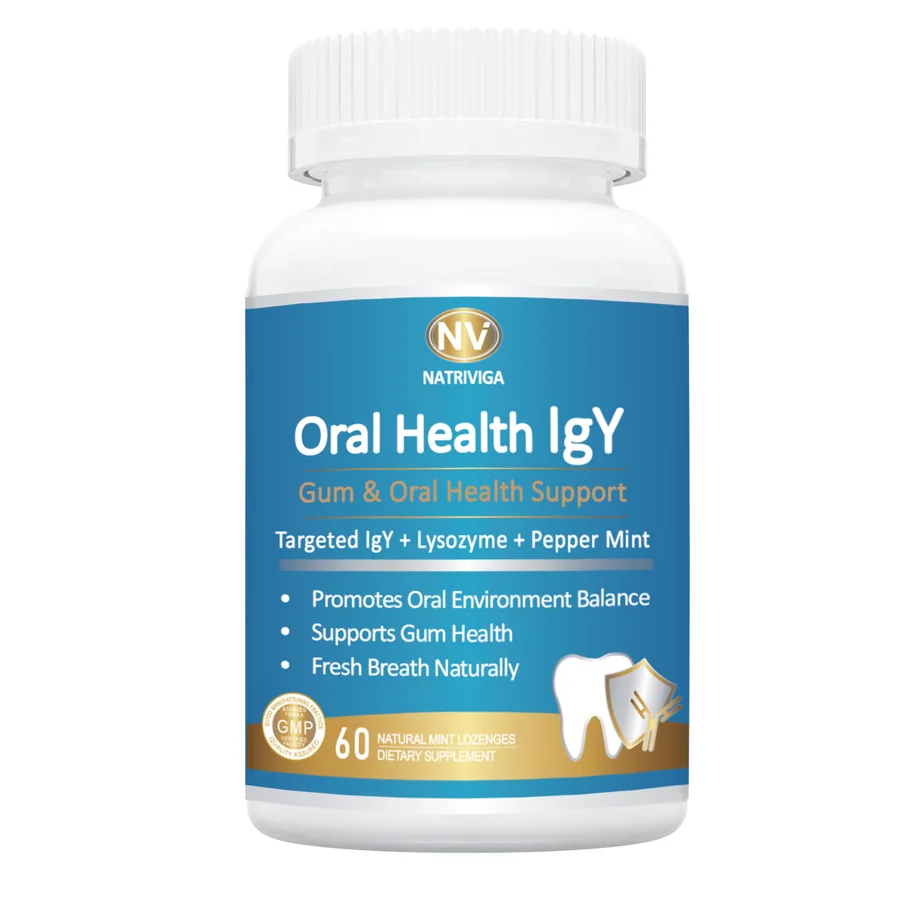
Everyday oral care formulation
Explore related ingredient family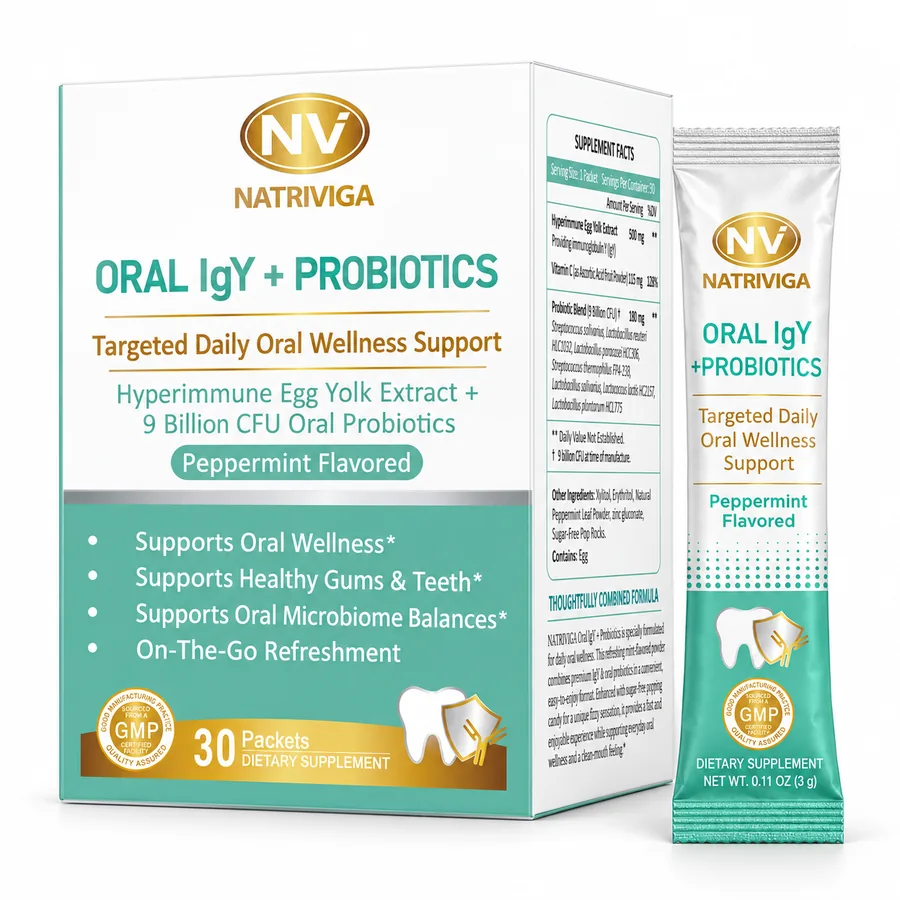
Oral care stick-pack concept
Explore related ingredient family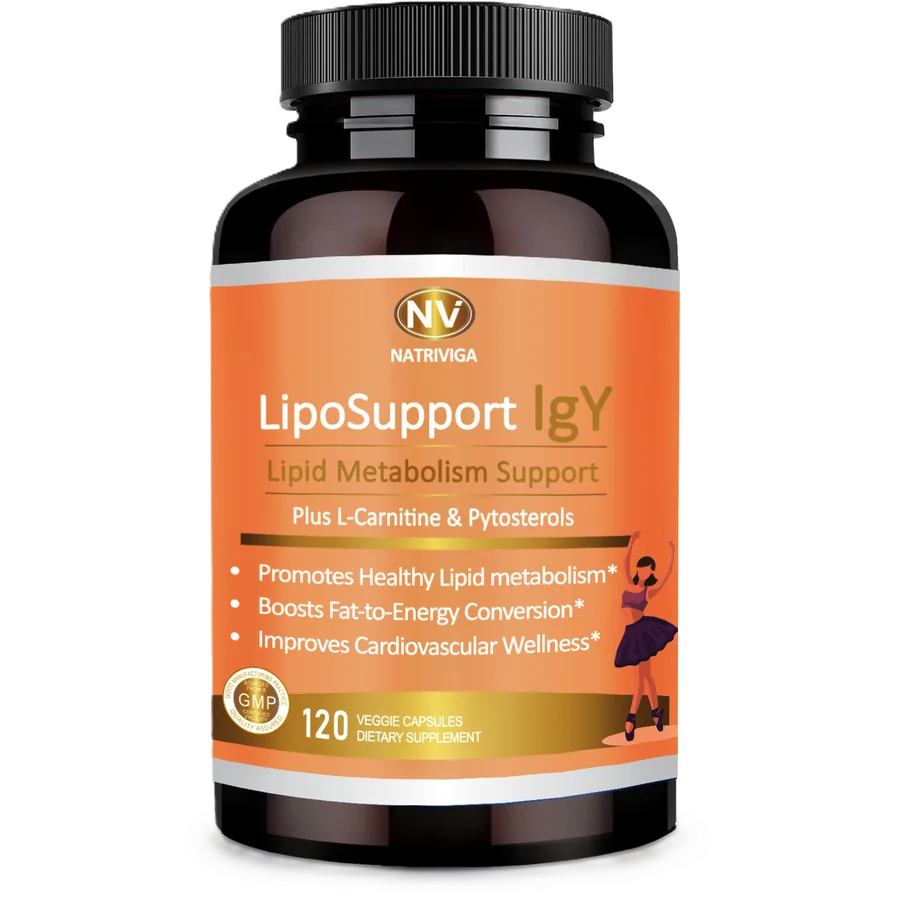
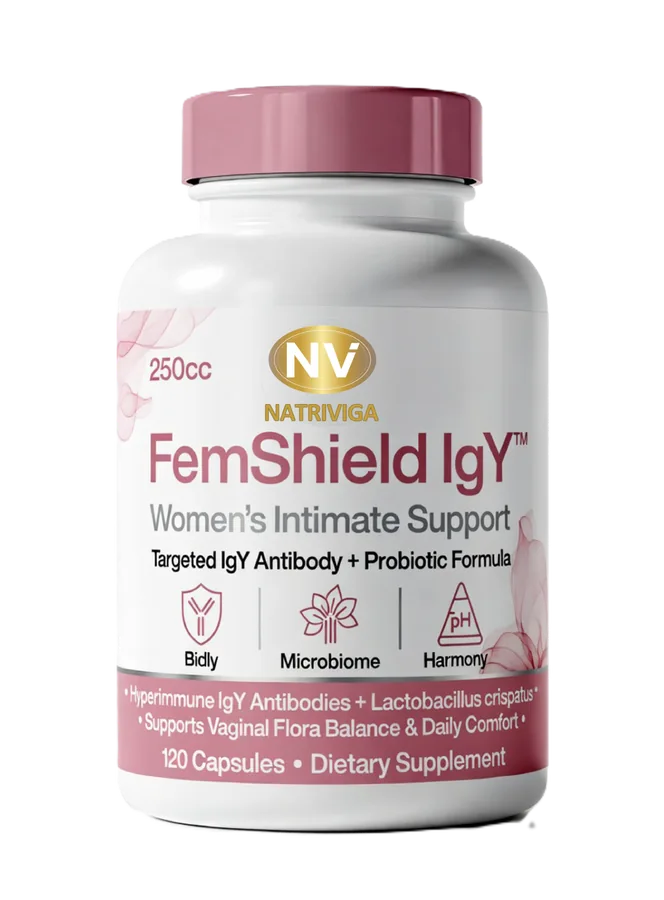
IgY and probiotic capsule concept for women’s wellness
Explore related ingredient family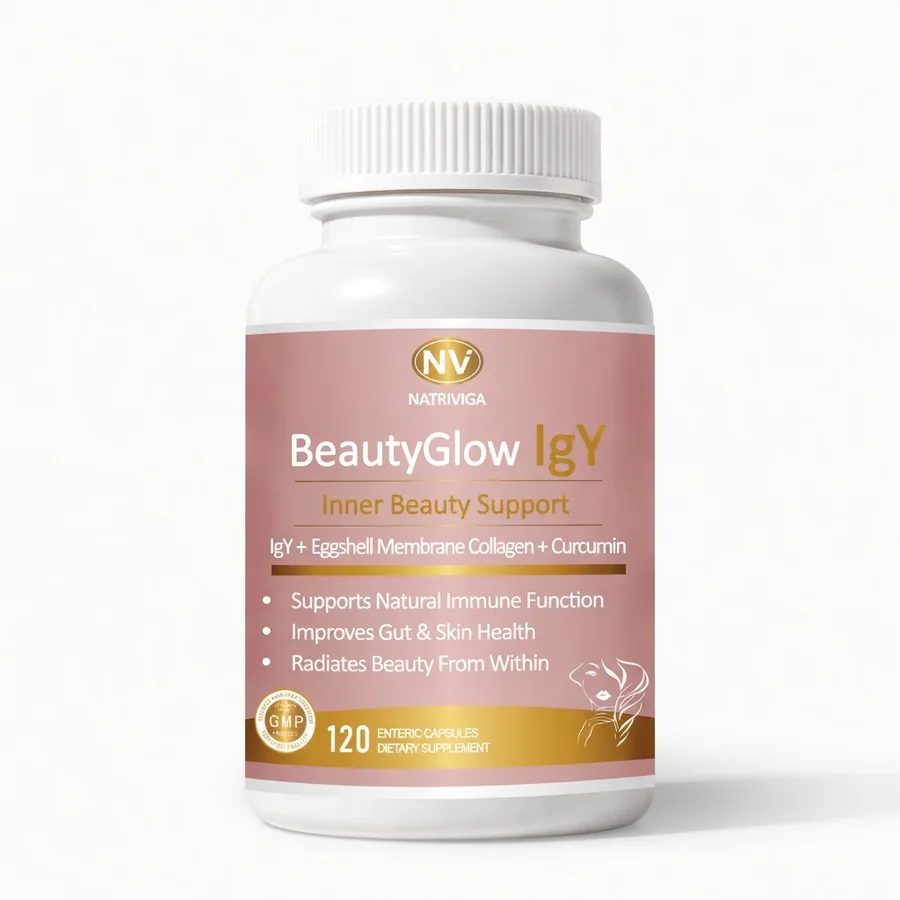
Images illustrate formulation directions. Product status, ingredient availability, specifications and permitted claims depend on the market and project scope.
A technical review can cover composition, IgY titer, protein, moisture, microbiological and storage criteria. Request the current specification and lot documentation for the material under review.
Request technical informationDocument availability and specifications depend on the selected program and market.
We bring the technical brief, application direction and commercial discussion into the same development process.
Start with an application and technical question, then identify the right IgY development direction.
Connect an ingredient family with the formulation, presentation and audience of a finished concept.
Agree on evaluation criteria, required documents and next milestones with the project team.
Share your volume, target market and requested date. We will define the applicable production and delivery terms in a written project proposal.
Discuss supply requirementsBuild a practical brief in three choices. Start with an application, then define the formula and dosage form.

Select one of eight wellness families or describe a new direction.
Start with IgY alone, IgY with probiotics or a custom formula.
Compare capsules, sachets, chewables and other formats.
Choose a direction in three steps. Your selections will be included in the inquiry email.
These choices form a discussion brief. Formula feasibility, ingredient availability, specifications, minimum volumes and production terms are confirmed for each project.
Share the intended application and desired output. We will review target strategy, feasibility and technical criteria.
Start with technical scoping. Formula, volume and packaging choices are handled in the OEM development process. Discuss confidential target details through an agreed channel.
Select an output and describe the intended application. You can leave the target undisclosed until a suitable discussion channel is agreed.
Explore published articles for ideas on IgY ingredients, formulation and the audiences you serve.

Antibiotic resistance is one of the most significant public health threats of our time. With increasing numbers of bacterial strains evolving resistance…
Read article
The Hidden Threat: Helicobacter pylori Helicobacter pylori (H. pylori) is a notorious bacteria that silently affects millions of people worldwide, often causing discomfort…
Read article
In this article, we’ll discuss the role of pathogenic gut bacteria in cancer initiation. In recent years, scientific research has highlighted the…
Read articleGenoScan Biosciences Limited works with supplement brands on IgY ingredient programs and OEM development. NATRIVIGA presents selected concepts in finished wellness formats.
For teams sourcing IgY ingredients or developing an OEM product. Start with the application, technical requirements, format and target market.
Explore IgY ingredient familiesFinished-product examples show how selected IgY concepts can be presented in daily wellness formats. They give partners a view of application and product experience.
View application casesChoose IgY ingredients or OEM development. Share the application family, target market, format, expected volume and project stage.